
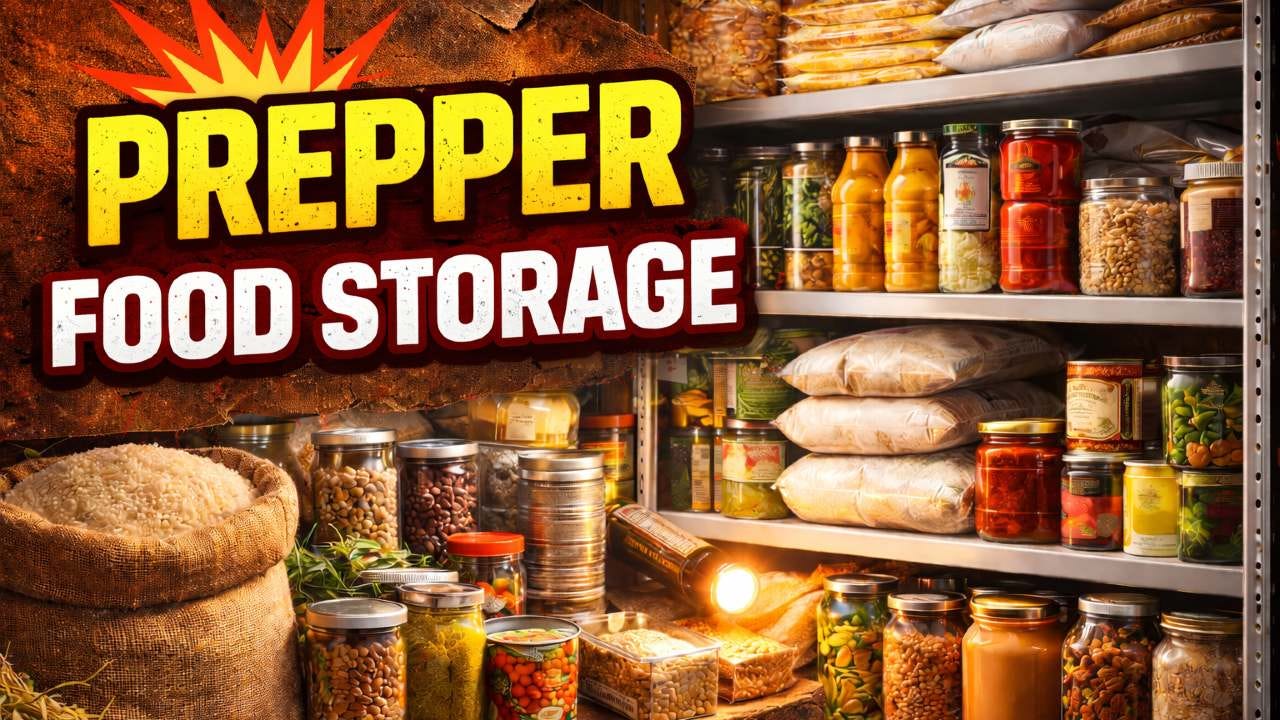
In uncertain times, countless families stockpile food for potential emergencies only to discover later that their carefully gathered supplies have become unusable. A recent video from the preparedness community highlights the five most common and costly mistakes preppers make with food storage.
Addressing these errors can mean the difference between having dependable sustenance when it matters most and facing empty shelves or spoiled goods at a critical moment.
Many preppers invest heavily in long-term food supplies only to watch them spoil or go unused due to basic errors.
Mistake #1: Failing to eat what you store and store what you eat, leading to unfamiliar foods that cause digestive problems in a crisis.
Mistake #2: Neglecting proper rotation using the FIFO method, which results in expired or wasted supplies.
Mistake #3: Storing food in improper containers that allow air, moisture, or pests to ruin stock.
Mistake #4: Choosing poor storage locations exposed to temperature swings, humidity, or easy access by rodents and insects.
Mistake #5: Overlooking water requirements for rehydrating food and lacking alternative cooking methods during shortages.
Practical fixes include integrating supplies into daily meals, using airtight food-grade packaging with oxygen absorbers, maintaining cool and dry conditions, and building redundancy.
Smart preparation turns emergency food into a reliable, everyday asset rather than dead weight.
The first and perhaps most widespread mistake is failing to eat what you store and store what you eat. Too many people fill their pantries and long-term caches with items they never touch in normal life—bulk beans, rice, or freeze-dried meals that sit untouched for years. When crisis hits, suddenly switching to an unfamiliar diet can trigger serious digestive distress. The solution is simple yet powerful: incorporate your emergency supplies into regular family meals. This keeps everything fresh, builds familiarity, and ensures that in tough times the food will actually be eaten and tolerated.
Closely tied to the first error is neglecting proper rotation and expiration management. Without a disciplined first-in, first-out (FIFO) system, older stock gets buried behind newer purchases and eventually spoils. Mark every package clearly with purchase or expiration dates using a permanent marker or maintain a simple spreadsheet. When items show signs of trouble—bulging cans, off odors, rust, or mold—the rule is straightforward: when in doubt, throw it out. Regular rotation prevents waste and guarantees that nutritional value remains intact when supplies are needed most.
The third major pitfall involves improper storage containers and packaging. Bulk items from big-box stores often arrive in packaging that works fine on the shelf but fails over the long term once opened. Air, moisture, light, and pests quickly degrade quality. Repackage foods into airtight, food-grade buckets, mylar bags, or mason jars, and include oxygen absorbers where appropriate. Avoid non-food-grade plastic that can leach chemicals. Manufacturer packaging can offer decent shelf life while unopened, but once broken into, transfer contents immediately to protect against contamination and extend usability.
Equally damaging is choosing the wrong storage location. Garages, attics, and outdoor sheds suffer from wild temperature swings and humidity changes that accelerate spoilage. Instead, keep supplies in cool, dark, dry interior spaces such as closets, under beds, or in climate-controlled basements. For added security and mobility, divide stores across multiple locations so that damage or loss in one area does not wipe out the entire reserve. Portable bins or backpacks with a few days’ worth of food also prepare for rapid evacuation scenarios.
The fifth critical mistake is failing to account for water needs and preparation requirements. Many long-term foods—especially freeze-dried or dehydrated options—require significant water for rehydration and cooking. In a water-scarce emergency, that demand can quickly overwhelm limited supplies. Stock extra water specifically for food preparation, learn purification techniques, and consider low-water or no-cook alternatives. Experiment with recipes now using your stored goods. Master alternative cooking methods such as solar ovens, rocket stoves, or pressure cookers that conserve fuel and water. Creating laminated recipe cards with minimal-ingredient instructions removes panic when normal kitchen resources are unavailable.
Beyond avoiding these pitfalls, successful food storage demands a thoughtful, systematic approach. Begin by assessing your household’s actual eating habits and build around familiar, nutrient-dense foods. Maintain variety so meals remain palatable over extended periods. Regularly inspect and rotate stock as part of routine home maintenance rather than a once-a-year chore.
Water considerations deserve special attention. Calculate not only drinking needs but also the volume required to prepare every meal. Canned goods often provide usable liquid that can be incorporated into soups or gravies, reducing waste. Learning home preservation techniques—canning, dehydrating, and fermenting—adds another layer of self-reliance and stretches supplies further.
Redundancy serves as insurance. Keep a short-term pantry for immediate use, a medium-term supply in accessible storage, and a long-term deep reserve protected for worst-case scenarios. This layered approach guards against total loss from pests, flooding, or other localized disasters.
Preparation also includes skill-building. Practice using your stored foods and equipment now, while times are calm. Cook full meals from your reserves on a regular basis. Test alternative cooking devices outdoors or in simulated power-outage conditions. These dry runs reveal gaps in knowledge or equipment before an actual emergency forces hasty learning under stress.
The broader lesson from experienced voices in the preparedness community is that food storage should enhance daily life rather than sit as unused insurance. When supplies are rotated and integrated thoughtfully, they provide peace of mind without becoming a financial burden or source of regret. Families that treat their reserves as a living pantry rather than a static stockpile gain both practical benefits and greater confidence.
In an era of supply chain vulnerabilities, natural disasters, and economic pressures, sound food storage practices reflect prudent stewardship. They honor the responsibility to provide for one’s household while avoiding the waste that comes from poor planning. Small corrections today—better containers, consistent rotation, realistic water planning—can prevent devastating shortages tomorrow.
Those who have already begun building their reserves would do well to review current setups against these five common mistakes. A few hours of reorganization and habit adjustment can transform a fragile collection of supplies into a robust, reliable resource. The goal remains straightforward: store food that sustains, protects it properly, and know how to use it when ordinary life is disrupted.
Ultimately, effective preparedness flows from wisdom and diligence rather than fear. By learning from the missteps others have made, families can build systems that endure. In doing so, they position themselves not only to survive hardship but to maintain strength, health, and hope through whatever challenges may come.
This has probably been the most helpful and important article for me on this subject. THANK YOU!! Lots to think about and implement. 🙏🏾
Great article!